
Most restaurants think catering success is about delivering great food. But the operators building sustainable corporate catering revenue know something different: the 72 hours after delivery matter more than the delivery itself.
Here’s what actually happens in that window. A corporate client just received their catering order. The food was excellent, delivery was on time, and their team had a great experience. Right now, they’re deciding whether to order from you again or try a competitor next time.
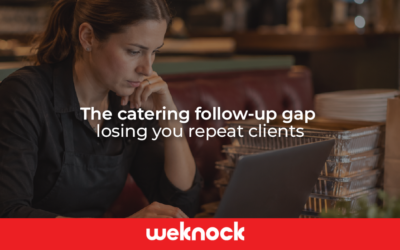
And most restaurants do nothing during this critical period. They fulfilled the order, got paid, and moved on. Meanwhile, the client receives follow-up emails from three other catering companies asking how their experience went and offering incentives to try their service.
The restaurants that convert one-time orders into recurring $15K to $25K annual accounts understand that post-delivery follow-up isn’t optional. It’s when loyalty gets built or lost.
Here’s exactly what top operators do in the 72 hours after delivery to lock in repeat business.
Hour 1-6: The Immediate Confirmation That Builds Confidence
The first move happens within hours of delivery, not days.
When a corporate client receives their catering order, they’re evaluating whether everything arrived as expected. Did the food show up on time? Was the order complete? Did the setup meet their needs? Right now, they’re forming an opinion about your reliability.
The best operators don’t wait for the client to reach out with problems. They proactively confirm delivery went smoothly.
A simple text or email within a few hours of delivery: “Hi [name], just confirming your catering order was delivered successfully for today’s meeting. Let us know if anything didn’t meet expectations.”
That message does three things. First, it shows you care about their experience beyond just getting paid. Second, it opens the door for them to mention small issues that can be fixed immediately instead of festering. Third, it positions you as a partner who’s invested in their success, not just a vendor who dropped off food.
When restaurants work with Weknock for delivery, this confirmation is built into the process. Clients receive delivery notifications with photo confirmation, which provides transparency and eliminates the “did it actually arrive?” uncertainty that creates friction.
Hour 12-24: The Follow-Up That Captures Feedback Before Competitors Do
The second move happens within 24 hours, while the experience is still fresh.
This is when you ask for feedback. Not in a generic “rate us on Google” request, but in a genuine check-in that shows you want to improve.
“Hi [name], wanted to follow up on yesterday’s catering order. How did everything go? Was there anything we could have done better?”
Most clients won’t respond to this message if everything was perfect. But the ones who had minor issues will tell you, and that’s valuable. Maybe the setup could have been clearer. Maybe they wished there were more vegetarian options. Maybe delivery timing was tight and they’d prefer earlier arrival next time.
When you capture this feedback within 24 hours, you can address it before the client decides to try a competitor. And when you actually implement their suggestions on the next order, you’ve just demonstrated that you listen and adapt, which builds loyalty that’s hard for competitors to break.
The restaurants that retain corporate accounts treat feedback as strategic intelligence, not complaints. They use it to refine operations and make the next experience even better.
Want weekly tactics on converting one-time orders into long-term corporate accounts? Subscribe for Weekly Tips + Free Consultation and get proven retention strategies delivered to your inbox.
Hour 24-48: The Incentive That Makes Reordering Easy
The third move happens 24 to 48 hours after delivery, once you’ve confirmed everything went well.
This is when you make it easy and financially attractive for them to order again.
“Hi [name], glad to hear your team enjoyed the catering! We’d love to support your next event. If you book your next order directly through our website or phone, we’ll take 10% off to thank you for your business.”
That incentive serves two purposes. First, it gives the client a reason to reorder sooner rather than later. Second, it introduces the idea of direct ordering, which bypasses platform commissions and starts converting them from a marketplace lead into a direct account.
The key here is timing. If you wait a week or two, the client has already moved on mentally and the incentive feels less relevant. But within 48 hours, while they’re still thinking about how smoothly the catering went, the offer feels natural and well-timed.
The restaurants that execute this step consistently see significantly higher repeat order rates because they’re making the decision easy during the window when clients are most receptive.
Hour 48-72: The Value-Add That Keeps You Top-of-Mind
The fourth move happens 48 to 72 hours after delivery, and it’s about staying top-of-mind without being pushy.
This is when you provide value beyond just asking for another order. Maybe you send them a helpful resource: “5 Ways to Make Your Next Corporate Lunch More Engaging” or “How to Plan a Stress-Free Holiday Catering Event.”
Or you let them know about upcoming menu additions: “We’re adding a new Mediterranean menu option next month based on client feedback. I’ll send you the details once it’s finalized.”
Or you simply make yourself available: “If you ever need catering on short notice or have a last-minute event, feel free to reach out directly. We’ve got you covered.”
This kind of communication keeps the relationship warm without feeling transactional. You’re not asking for anything. You’re positioning yourself as a helpful partner who’s thinking about their needs.
The restaurants that build long-term corporate accounts understand that retention isn’t about one follow-up message. It’s about a series of touchpoints over 72 hours that collectively build trust, demonstrate reliability, and make reordering the easiest choice.
Why Most Restaurants Skip This Entirely
Here’s the reality: most restaurants don’t follow up after delivery because they’re already overwhelmed managing the next day’s orders.
When your team is prepping food, coordinating delivery, and running dine-in service, adding post-delivery follow-up feels like one more thing that’s hard to prioritize. So it doesn’t happen. And corporate clients who would have become recurring accounts quietly try a competitor instead.
The operators who retain corporate accounts build follow-up into their process. It’s not optional or dependent on having extra time. It’s a standard step that happens after every corporate catering order, because they know the 72-hour window is when loyalty gets built.
And when you work with professional delivery partners like Weknock, some of this communication is automated. Delivery confirmations, tracking notifications, and client updates happen without requiring your team’s time, which frees you to focus on the personal follow-up that actually converts one-time orders into long-term relationships.
The Long-Term Value of a 72-Hour Follow-Up System
Let’s put a number on what this actually means.
A corporate client who orders twice a month at $1,000 per order represents $24,000 in annual revenue. If a simple 72-hour follow-up process converts 3 out of 10 one-time clients into repeat accounts, that’s $72,000 in additional annual revenue from accounts you already earned.
The restaurants that are building sustainable catering businesses aren’t just focused on winning new clients. They’re obsessively focused on converting the clients they’ve already served, because retention is exponentially more profitable than constantly replacing lost accounts.
Ready to see how professional delivery execution supports stronger client relationships? When Weknock handles your catering delivery, clients receive real-time tracking, delivery confirmation, and professional service that makes follow-up easier and more effective. Schedule Your Free Consultation with Weknock and we’ll show you how the right logistics partner helps you convert one-time orders into long-term accounts. Let’s talk.